Not Just A Law But A RIGHT
The constitution states, “19A. Right to information - Every citizen shall have the right to have access to information in all matters of public importance subject to regulation and reasonable restrictions imposed by law”.
Pakistan became the first country of South Asia in 2002, to implement the Freedom of Information (FOI), while India enacted the law in 2005 and Bangladesh in 2009. This law was converted into a right with the passage of the 18th Amendment to the 1973 Constitution of Pakistan, on April 8th, 2010. The inclusion of Article 19-A in this amendment, converted the freedom of information into a right or Right to Information (RTI). With the introduction of this article, transparency has been brought into the system, as the citizens of the country have been given the right to question the government or authority over any issue. They can acquire information from the state machinery and can hold the government answerable over any discrepancy. However, although the freedom has been converted into a right, the implementation procedure of this right is still flawed and abundant with numerous hindrances.
Unfortunately, there is little awareness regarding the law, even in circles whose job is to be well informed and also keep others well informed. The main reason due to which, the Right to Information is not being exercised in Pakistan, is due to this lack of awareness. The general public, media, civil servants and legislature are so far ignorant of the venues which, have been opened through this law. Where, once a common individual, an investigative reporter or a researcher had to ask for favors from officials to access information, now they can attain it through a formal request. But, again the absence of awareness has prevented the utilization of this procedure, in its true spirit. As mentioned above the procedure is marred with flaws, as the procedure is based on the Freedom of Information Ordinance 2002. There has been little or no initiative towards facilitating the procedure for the common individual, as well as improving the legal technicalities. The simple reason for this predicament is that, the procedure can only be improved and drawbacks are highlighted and removed, when a procedure is put into application. So far Pakistan has enacted the law on paper, but in practical there is no realization for the importance and the use of RTI.
The Initiative
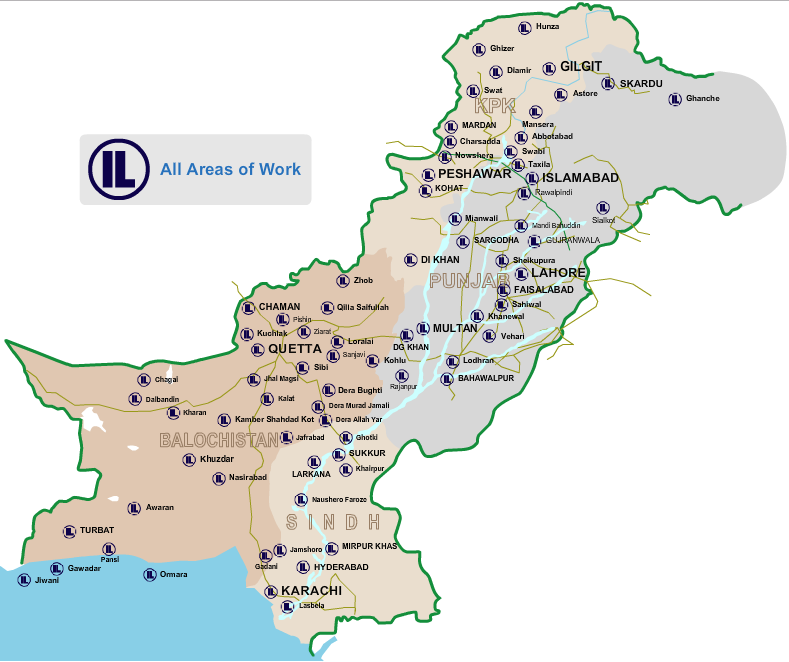
Individualland Pakistan (IL-Pakistan) along with Open Society Institute (OSI) Foundations office in Pakistan, has taken on the initiative to promote awareness on the Right to Information (RTI) among the various quarters of the society, while also encouraging the legislature to address the ambiguities present in the procedure. For this purpose IL-Pakistan and OSI have partnered up on a series of projects, since 2007. The projects aim at assisting the civil society organizations, journalists, civil servants and legislatures for addressing its flaws, while also spreading awareness among the general public. As a part of its effort IL-Pakistan, besides holding workshops and seminars; developed a T.V. documentary and five public service messages (PSM), which were aired on various satellite and terrestrial T.V. channels. The messages were aimed at creating awareness at both rural and urban level of the population.
RTI Requests
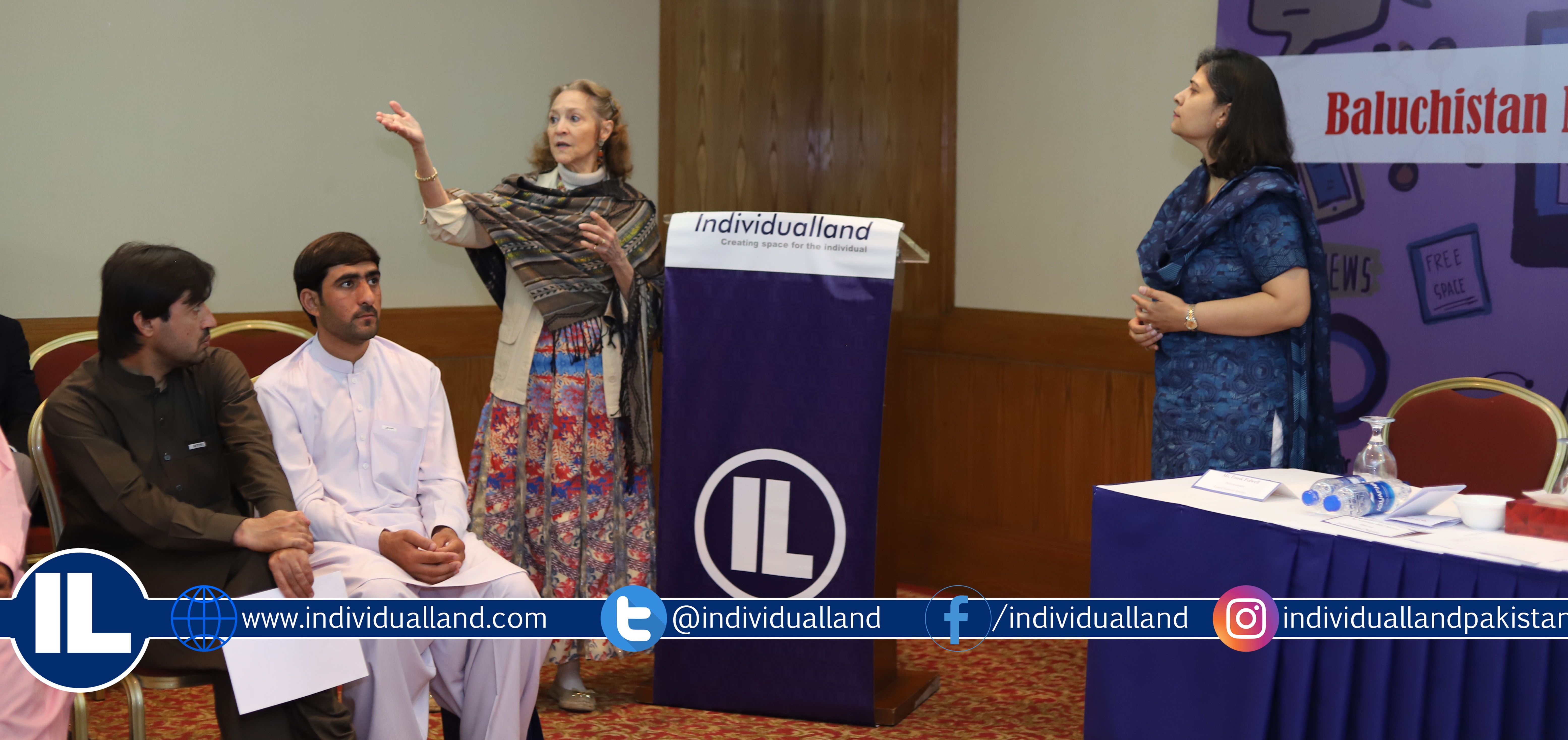
Currently IL-Pakistan has focused its efforts on Baluchistan province, where Freedom of Information Act 2005 has been implemented and is based on the 2002 ordinance. Baluchistan being the most neglected province of the country also has a very low literacy rate that not only prevents the awareness of rules and regulations in the general public but also hinders the implementation of RTI. IL-Pakistan has been holding a series of workshops with civil society, media, government officials and legislature in Baluchistan, to promote awareness regarding the law. In the first phase of the meeting with civil societies, held on April 08th 2011, in Quetta, the organization introduced the project and sought their assistance to attain the desired objectives. The participants were further persuaded to file requests, under the Right to Information (RTI).
In the second phase of the meeting, held on 13th May, 2011, the attendees were encouraged to share their feedback and inputs, regarding the current implemented procedure of RTI, based on their experience of filing requests. A total of four (4) requests had been filed by the CSOs and further future action related to the requests was also discussed during the session.
Committees on RTI
During the session held on 13th May, 2011 with the civil societies, certain decisions were made regarding active participation of the civil societies, during the phase of the project. One month action plan was developed, while four committees were made, each assigned with one of the following objectives:
- Lobbying effort to be initiated with the legislature on the improvement of the law
- Awareness to be disseminated in the general public of the Baluchistan province, regarding RTI
- Civil servants to be engaged and sensitized to the implementation of RTI
- Follow up on the four requests for information, while keeping all the committees in the loop